


Gyeonggi Province Advances Data Analysis Model Project

[Suwon Ilbo=Park No-hun] Gyeonggi Province announced on the 24th that it will launch the 'Data Analysis Model Advancement Project' this month to scientifically analyze data related to major initiatives of the 7th elected administration, such as local currency.
The project was initiated to realize 'scientific administrative services' by creating a model that enables continuous accumulation and analysis of data related to various policies and projects being prioritized during the 7th elected administration, and applies them to actual administration.
Target fields were selected through procedures including demand surveys and expert consultations from committees. The four fields are 'Analysis of new bus routes including public buses,' 'Analysis of suspected shell companies in the construction industry,' 'Analysis of local currency consumption patterns,' and 'Analysis of residential population.'
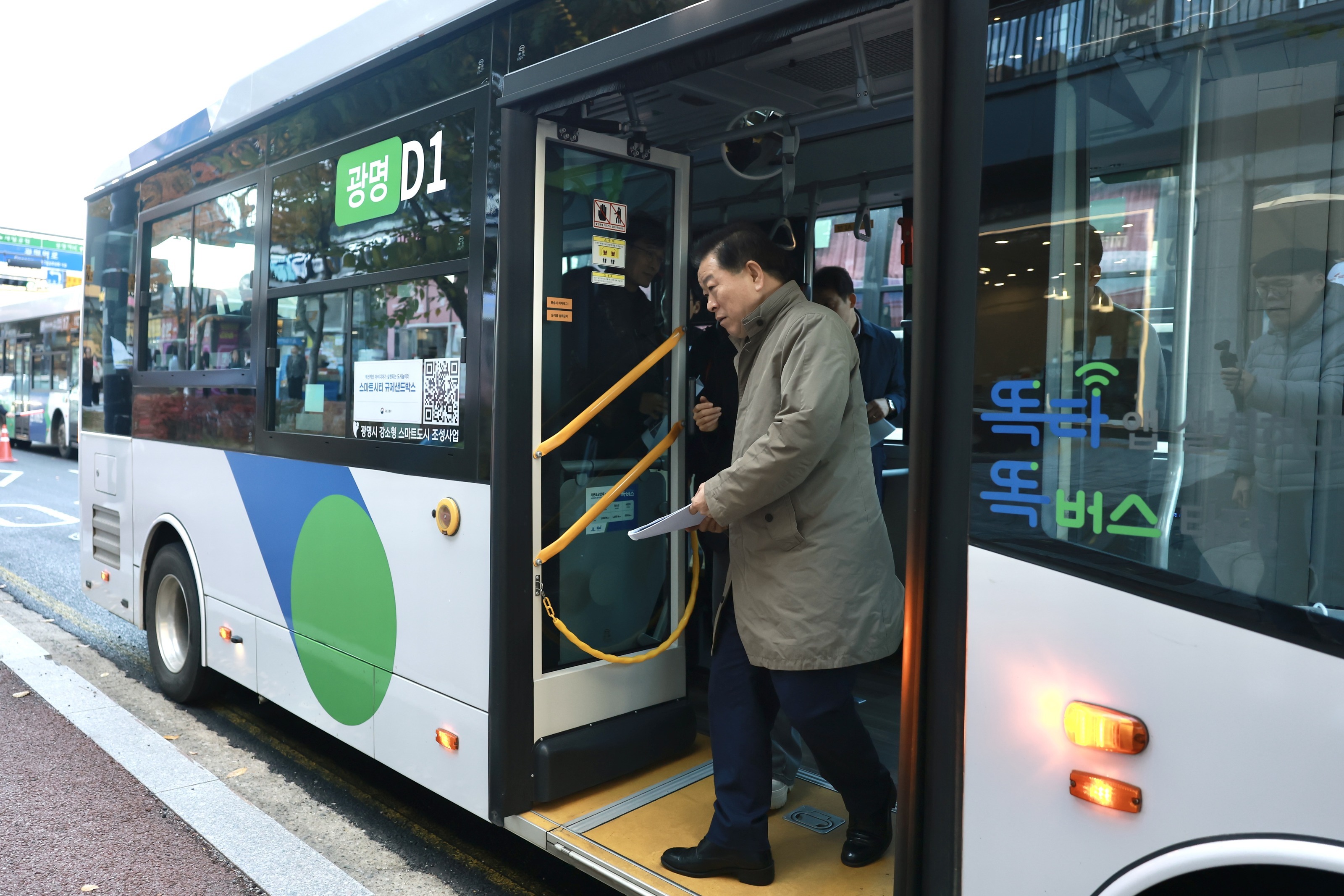
First, in the 'new bus route analysis' field, the province will focus on analyzing data such as bus passenger numbers, bus operation information, and residential population by region, route, and bus stop, and will work to discover and select bus routes that residents can tangibly feel the convenience of transportation.
The 'shell company analysis in construction industry' field estimates suspected companies based on data such as past legal violations, capital, and number of technical personnel, and derives optimal investigation routes to enable effective crackdowns. In particular, the province plans to expand the analysis targets to include not only general construction companies but also specialized construction companies, laying the groundwork for expanding the enforcement network.
Through 'local currency consumption analysis,' the province will analyze data such as card sales, floating population, and trends in local currency consumption patterns by region, business type, and time period to verify the actual activation effects for small business owners and alley merchants, and will supplement and develop policies based on this.
'Residential population analysis' is a field that uses floating population data by region and time period for projects requiring optimal location selection, such as sites for installing public art in buildings or urban spaces with rest areas.
The province plans to build data analysis models in the four fields by November and begin full-scale implementation.
Im Moon-young, Director of Future Growth Policy, said, "If we concentrated our efforts last year on building the foundation of the analysis system, this year we have focused on providing services that can be applied to policies through continuous utilization of actual data," and added, "Going forward, we will actively work to establish the foundation for realizing customer-centered customized administrative services."



Loading comments…