


Local Culture Historic Home of Novelist Park Kyung-ri Where She Wrote "Land" to Be Preserved Before Demolition in Jeongnungol

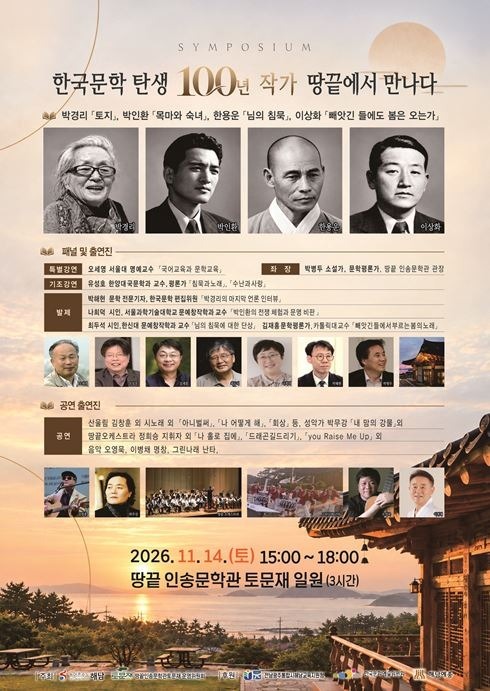
The former home of novelist Park Kyung-ri (1926–2008) in the Jeongnungol redevelopment area in Seongbuk-gu, Seoul, will be preserved after narrowly escaping demolition. This year (2026) marks the 100th anniversary of novelist Park Kyung-ri's birth, drawing greater attention from the literary community and local society.
According to Seongbuk-gu Office and the development industry, the district office has decided not to demolish Park Kyung-ri's former home within the Jeongnungol housing redevelopment project area (768-2 Jeongnungdong, Seongbuk-gu; 11 Bogukmullo 29-gil) and is currently discussing specific implementation plans. The site is likely to be transferred to Seongbuk-gu through donation upon redevelopment, after which it will be considered for use as a library or literary space honoring the writer.
Seoul Future Heritage where "Land" Parts 1–3 were written…Vacant after residents relocated, raising demolition concerns

The Jeongnungol home is where novelist Park Kyung-ri lived for approximately 15 years from 1965 until relocating to Wonju, Gangwon Province in 1980. Parts 1–3 of the epic novel "Land," a landmark work in Korean literary history, were written there. Recognizing its literary and historical significance, Seoul designated the home as Seoul Future Heritage in 2013.
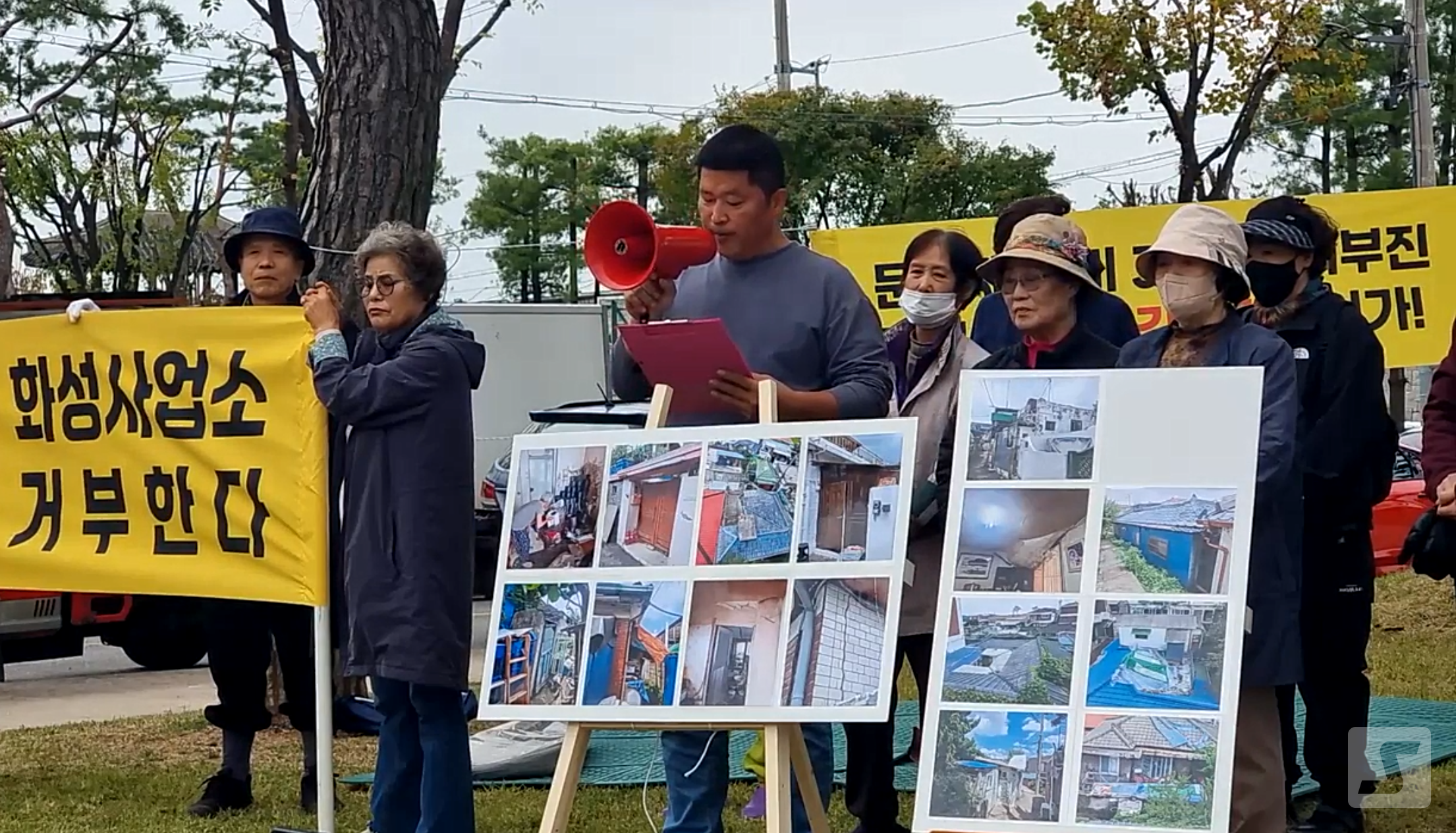
However, as the Jeongnungol redevelopment project accelerated, the status of preservation became uncertain. Following the approval of management and disposition in January 2024, residents moved out in earnest, and when even the alternative school using the building vacated, the structure lay abandoned like an empty house for nearly two years. As spray-painted demolition markings appeared near the gate and maintenance ceased, literary fans and local residents made visits to document the space's final appearance before destruction, expressing concerns that "a historically significant site will be demolished without a trace."
'Current building is a later reconstruction'…Challenge lies in content that preserves the sense of place
While Seongbuk-gu's preservation decision addressed the immediate crisis, experts note that accurate historical verification and substantive planning will be necessary in the subsequent space design process.
According to official records from Seongbuk-gu, including the Seongbuk Neighborhood Archive, the original wooden home where Park Kyung-ri lived before leaving for Wonju in 1980 was already demolished, and the current single-story Western-style building was constructed later. Thus, the core asset is not the physical original building itself but rather the literary "site" where the writer focused on her work listening to birdsong and the spatial memory of Jeongnungol.
Moving beyond single-home preservation to 'neighborhood museum' capturing disappearing local life history
Furthermore, the regional cultural community is amplifying calls to expand the discussion beyond this decision toward establishing a "neighborhood museum" that systematically preserves, manages, and exhibits cultural assets and everyday life records of ordinary residents that vanish without trace during large-scale redevelopment projects.
Large-scale demolition-style redevelopment erases not only the traces of a particular writer but also decades of residents' life records and collective memories built into alleyways and neighborhoods in an instant. Analysis suggests that by establishing the Park Kyung-ri home site as a hub for archiving and exhibiting the transformation of Jeongnungol and local residential heritage alongside a multipurpose cultural space, it could serve as a bridge connecting the approximately 1,400 new households moving in with existing local history.
A Seongbuk-gu official stated that the office is examining from multiple angles the donation procedures, future management entity, and specific usage plans in ways that can highlight the home's literary and historical significance. All eyes are on whether Jeongnungol can implement a new urban regeneration model that embraces both the master's literary legacy and the living grounds of the disappearing neighborhood amid the wave of wholesale redevelopment.


Loading comments…