


76% of Seonggam School Victims Say "Could Not Return to School, Wandered as Shoeshine Boys"
[Suwon Ilbo=Reporter Park Noh-hun] A survey has revealed that 93.3% of victims of the Seonggam School incident, which has perpetrated violations of children's rights since the Japanese colonial period as a vagrant shelter facility, reported experiencing beatings, with serious human rights violations including physical violence, sexual violence, and forced labor uncovered.
In particular, even after their release, these victims have not received school education and live in economic poverty, indicating that their experiences at Seonggam School have affected their entire lives.
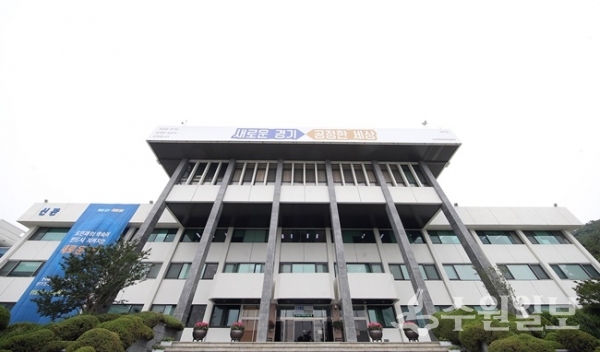
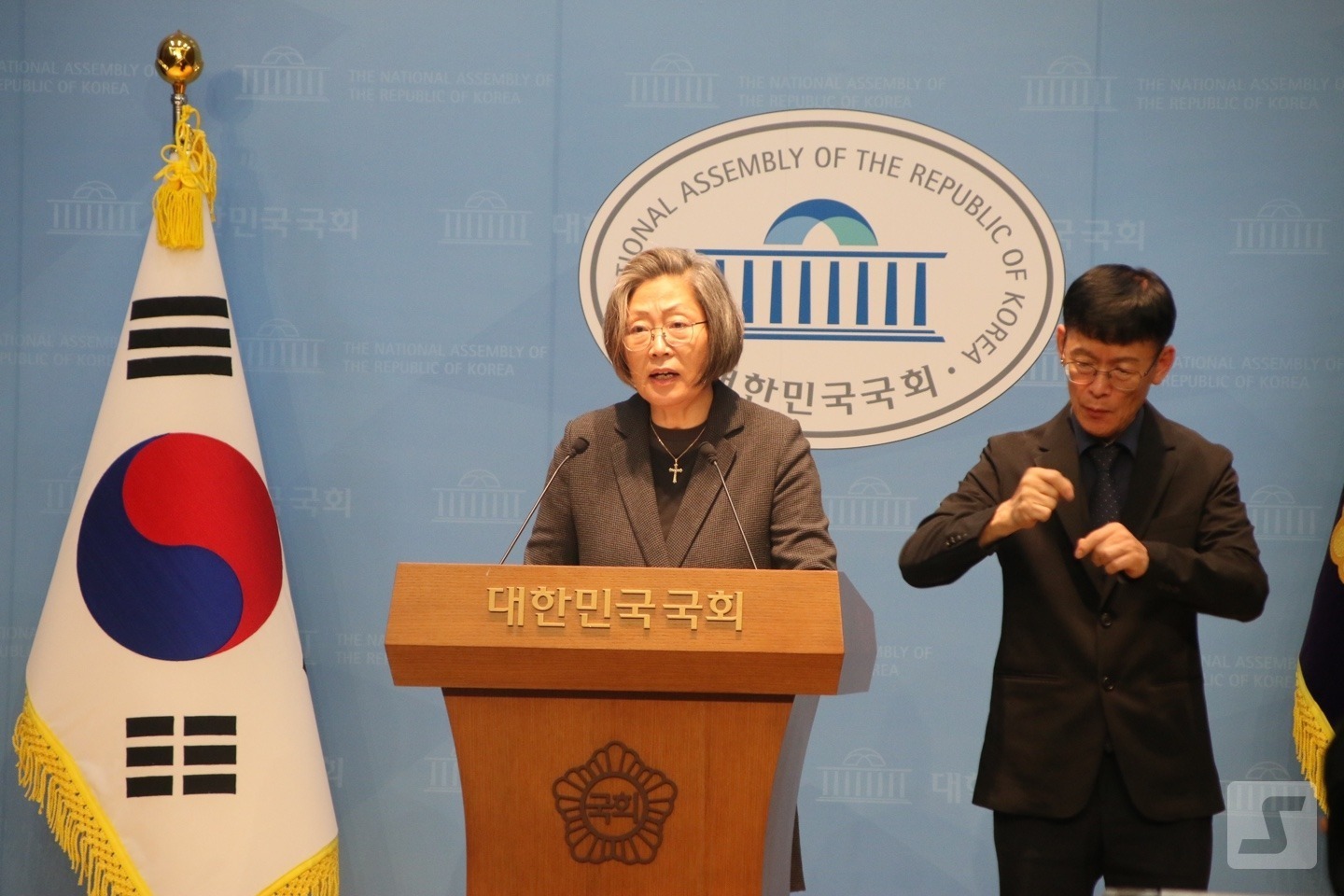
Lee Jae-gang, Vice-Governor for Peace of Gyeonggi Province, held a press conference at the Gyeonggi Provincial Government office on the 7th and announced the investigation and analysis results of victim cases related to the Seonggam School incident.
The vice-governor stated, "This research marks the first step in investigating the truth about Seonggam School, and is intended to comprehensively analyze officially reported victim cases," adding "the report is significant in that it attempted to analyze the process of victims' lives becoming impoverished through various methods including related literature, on-site investigations, and surveys."
Since opening the Seonggam School incident victim reporting center on April 16, the province has received reports of approximately 90 new victim cases.
The Gyeonggi Research Institute, which conducted the research, carried out the investigation and analysis based on survey responses from 93 Seonggam School residents, excluding those who died, whose whereabouts are unknown, or who were contacted only by phone, from the 1940s through the 1980s.
The average age of respondents was 63.5 years old, with those aged 11-13 at the time of admission accounting for 40.4%.
The duration of stay ranged from a minimum of one year or less to a maximum of 11 years, with an average of 4.1 years. Those who stayed for 2 or 3 years each accounted for 23% and 22%, the highest proportions.
During their time at the facility, the vast majority experienced hazing (93.3%) and beatings (93.3%), verbal abuse (73.3%), and cases of sexual harassment or rape were reported at 48.9% and 33.3% respectively. (Multiple responses possible)
Regarding forced labor, 98% of respondents had experience with labor including grass pulling, weed removal, sericulture, livestock management, salt farm work, farming, and tree cutting, with 53.5% participating in labor all 7 days of the week.
The average workdays per week were 6 days, and the average working hours were 9 hours, revealing that forced labor against children was continuous.
Additionally, 96.7% of respondents reported witnessing deaths, with 48.4% having been mobilized to handle corpses.
A notable point from this research is that life at Seonggam School continued to affect victims' lives after their release, and they remain in painful circumstances.
Due to educational disruption caused by admission to Seonggam School, 85.8% of respondents had an educational level of elementary school graduation or below, and 76.1% did not pursue further education after release, instead working in difficult low-income occupations such as shoeshine boys, servants, and rag collectors.
Currently, 37.6% of all respondents receive basic living security benefits.
In particular, 34% of respondents have disabilities, and 30% of these reported that their disabilities resulted from harm suffered at Seonggam School, indicating that violence such as beatings in their childhood inflicted enormous suffering on those admitted to Seonggam School.
Vice-Governor Lee Jae-gang stated, "Given that the Seonggam School incident was an incident of persistent violations of children's rights through state violence, the truth must be clarified promptly," and emphasized "Gyeonggi Province will actively cooperate with the investigation activities of the Truth and Reconciliation Commission for the Past, which will resume operations on the 10th."
Meanwhile, Seonggam School is a reformatory established in Ansan in 1942 following the announcement of the Joseon Youth Ordinance during the Japanese colonial period.
However, it was not closed after liberation and forcibly isolated and detained urban vagrants under the pretext of vagrant rehabilitation and education. Subsequently, it operated as a state violence detention facility until 1982, a place known to have perpetrated violations of children's rights.
The Second Truth and Reconciliation Commission for the Past will formally launch on the 10th and accept applications for truth-finding through the commission and each local government's reception desk until December 9, 2022.


Loading comments…