


Fine Dust in Indoor Spaces Increases COVID-19 Infection Rate

[Suwon Ilbo=Park No-hun] Gyeonggi Province will strengthen indoor air quality management at public facilities and vulnerable group facilities to protect residents' health during the fine dust seasonal management period from December through March of next year.
First, the province will intensively inspect indoor air quality management conditions at 570 public facilities including underground stations and terminals starting this month.
The inspections will be conducted in two phases, taking into account the social distancing measures in response to COVID-19 spread.
The first phase of inspection will focus on underground stations, bus terminals, underground shopping centers, and large-scale stores where many users gather, to verify ventilation and air purification device operation status and whether self-measurement of indoor air quality is being conducted.
A total of six items will be tested: fine dust (PM10), ultrafine dust (PM2.5), carbon monoxide (CO), carbon dioxide (CO2), formaldehyde (HCHO), and total airborne bacteria (TAB), which are 'mandatory maintenance items' stipulated in the Indoor Air Quality Management Act.
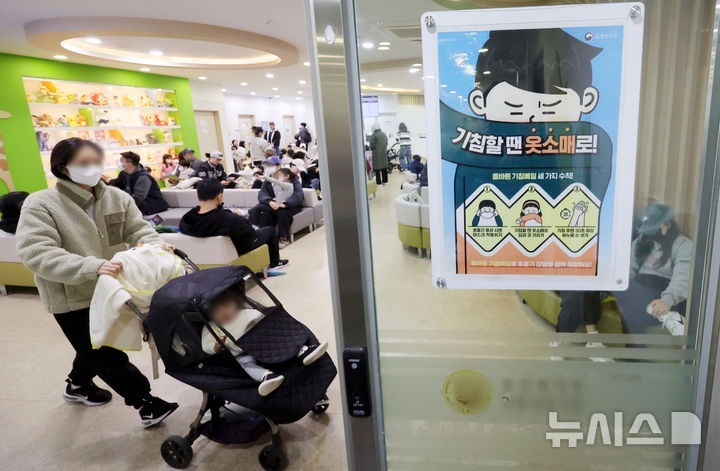
If social distancing measures are eased to Level 1.5 or below, the second phase will inspect childcare facilities, elderly care facilities, medical institutions, and large-scale children's play facilities used by health-vulnerable groups such as children and the elderly.
For facilities that exceed indoor air quality standards based on pollution inspection results, the province plans to also conduct 'precision diagnosis consulting for indoor air quality' in cooperation with the Korean Construction Living Environmental Test and Research Institute (KCL).
According to research released by Harvard University researchers in April, when ultrafine dust (PM2.5) concentration increases by 1㎍ per ㎥, the mortality rate per one million people increases by 11%.
Since high concentrations of fine dust in indoor spaces can increase COVID-19 infection rates and may have serious effects on the elderly whose health is more vulnerable than the general population, strengthened management is a priority.
Meanwhile, the province recently designated five elderly welfare centers, including the 'Suwon Seoho Elderly Welfare Center,' as 'premium clean breathing spaces.'
These facilities, built before 2006 and having high indoor air pollution levels, have undergone precision diagnosis by environmental and architectural experts and have been equipped with eco-friendly wallpaper and flooring replacement, air purifiers and ultraviolet sterilization devices, and indoor vertical gardens to help with psychological stability.
Since 2016, Gyeonggi Province has been implementing the 'clean breathing spaces' project, diagnosing indoor air quality and supporting improvement at 1,287 fine dust-vulnerable facilities including community children's centers, senior centers, and disabled rehabilitation facilities.
The project is participated in by the Gyeonggi Environmental Technology Support Center, Love's House Repair Association, and 11 sponsoring companies.
While the existing 'clean breathing spaces' project was limited to indoor environmental improvements such as wallpapering, flooring, and painting, the 'premium clean breathing spaces' project comprehensively improves air quality at elderly facilities and strengthens sterilization functions by using eco-friendly wallpaper and flooring materials in addition to ventilation air purifiers and real-time indoor air quality measurement systems.
Yang Jae-hyun, head of the Fine Dust Countermeasures Division at Gyeonggi Province, said, "Indoor air quality management is more important than ever due to high-concentration fine dust, heating, and increased indoor activities in winter," adding, "We will do our best to create an indoor air environment where residents can feel more assured."
Loading comments…